



Snakebite envenoming, a preventable and treatable condition, continues to kill one person every five minutes worldwide, according to a new report released to mark World Neglected Tropical Diseases (NTD) Day 2026.
The report, published by the Strike Out Snakebite (SOS) global initiative, reveals that frontline healthcare workers battling snakebite envenoming (SBE) are being undermined by weak health systems, inadequate infrastructure, and limited access to antivenom—jeopardising both prevention and treatment.
Based on a survey of 904 healthcare workers across Brazil, Nigeria, India and Indonesia, the findings highlight severe challenges in Nigeria, where 98 per cent of respondents reported difficulties administering antivenom, the only WHO-listed essential medicine for snakebite treatment. Half of those surveyed said their facilities lack full capacity to treat snakebite cases, while 39 per cent reported daily shortages of antivenom and 56 per cent cited poor infrastructure and inadequate equipment.
Snakebite envenoming is among the world’s deadliest yet most overlooked NTDs, accounting for nearly half of the global NTD burden and causing up to 138,000 deaths and 400,000 permanent disabilities annually. Despite this, the disease receives only a fraction of the funding required to address its impact, particularly in rural communities where access to healthcare is limited.
The report underscores that delays in treatment remain a major contributor to preventable deaths and disabilities. In Nigeria, 82 per cent of healthcare workers reported life-threatening delays in patients seeking care, often due to reliance on traditional remedies. Nearly half said such delays frequently result in amputations or major surgery.
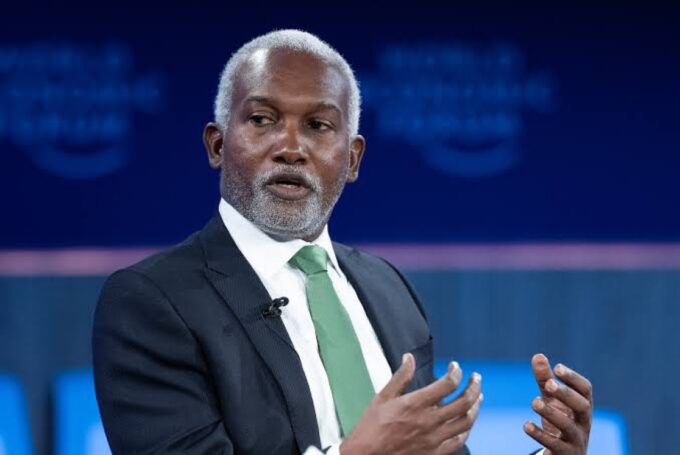
Elhadj As Sy, Chancellor of the Liverpool School of Tropical Medicine and Co-Chair of the Global Snakebite Taskforce, said the findings expose the urgent need for political will and sustained investment.
“Frontline healthcare workers are battling broken systems while trying to save lives. Solutions exist, but without bold commitments from governments and partners, this crisis will continue,” he said.
SOS is calling on the global community to integrate snakebite prevention and treatment into national health strategies, modernise health infrastructure, strengthen antivenom regulation, expand community education, and close critical gaps in access to care.
To accompany the report, SOS released a short film titled Snakebite: From Science to Survival, featuring first-hand accounts from doctors, researchers and survivors. One of the contributors, Dr Erulu from Kenya, stressed the urgency of timely treatment.
“A snakebite is a medical emergency. If you delay, you lose the patient. We must educate communities and ensure all facilities have access to antivenom,” he said.
The initiative warns that current global investment remains inadequate, with just two funders providing 65 per cent of snakebite research and development funding. Healthcare workers are therefore urging governments, donors, and investors to scale up funding for antivenom production, training, data collection, and community awareness.
Strike Out Snakebite, launched in 2025, aims to drive action across research and development, antivenom access, public health and advocacy, in line with the World Health Organization’s goal of halving snakebite-related deaths and disabilities by 2030.