




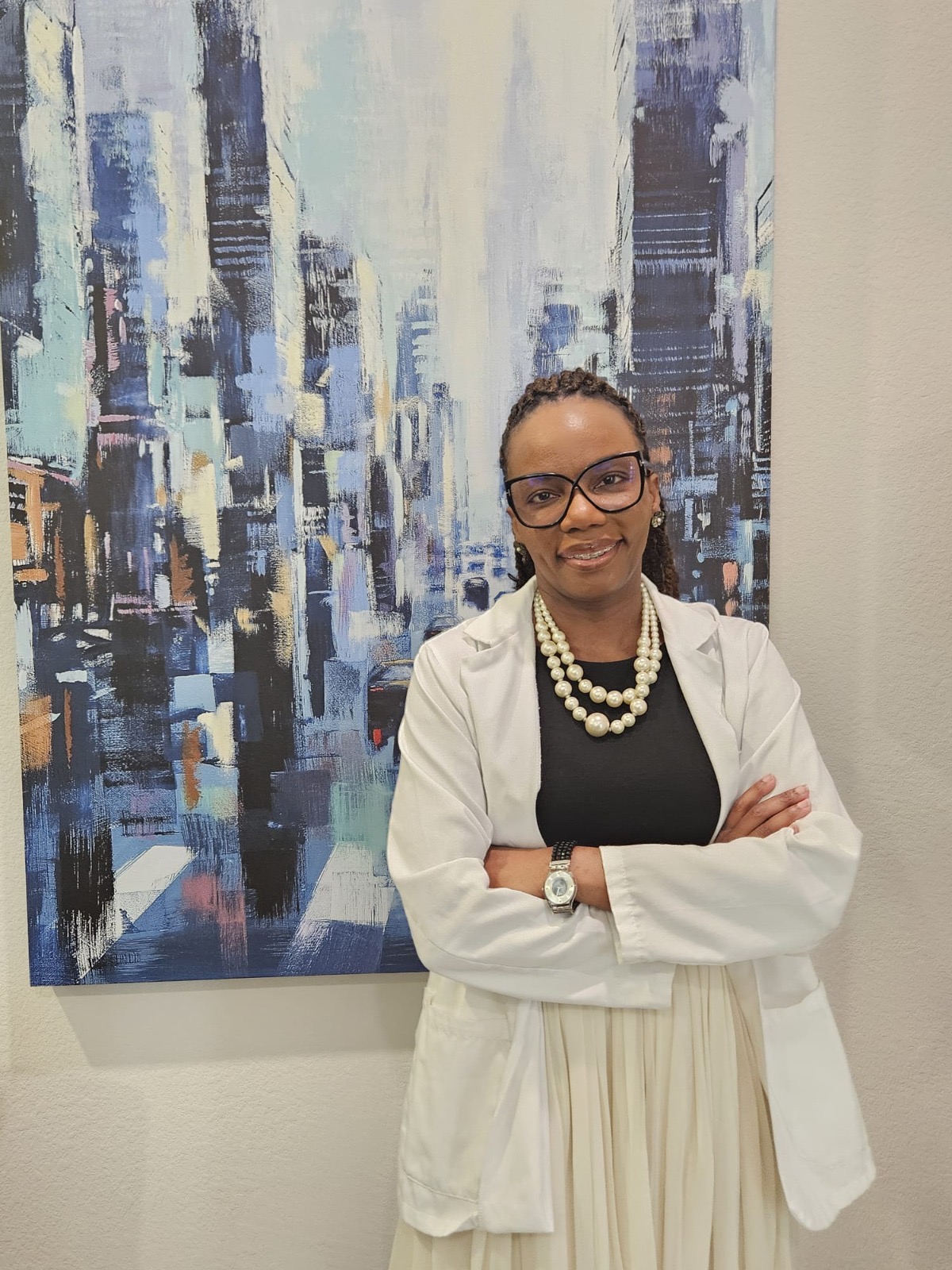
Healthcare expert and licensed pharmacist, Dr. Remi Olukoya, has warned Nigerians about the often-overlooked dangers of food-drug interactions, cautioning that commonly consumed foods and traditional staples may interfere with prescribed medications and compromise treatment outcomes.
Speaking during a health session, she stressed the need for greater public awareness, noting that many patients are unaware that their daily diet can affect how medicines are absorbed, metabolized, or how effectively they work in the body.
Dr. Remi Olukoya, who also is the founder of PharmaPlan Systems revealed that 50% of patients cannot identify a single food-drug interaction affecting their own prescriptions.
She emphasized the need for greater public awareness about how everyday foods can influence the effectiveness and safety of medications, cautioning that neglecting this link could compromise treatment outcomes.
The renowned healthcare expert highlighted the often-overlooked connection between diet and medication performance, with a particular focus on African and diaspora communities. While stressing the importance of adhering to prescribed treatments, she pointed out that dietary habits play a crucial role in drug efficacy.
She underscored the fact that culturally specific diets and traditional foods should not be overlooked when prescribing or taking medications, as they can affect how drugs are absorbed or metabolized in the body.
Drawing from her book, Pharma Plan Systems, which she described as an accessible guide to food-drug interactions free of complex medical jargon, she gave examples of commonly consumed foods that can interfere with medications.
She mentioned grapefruit’s impact on some cholesterol-lowering drugs, and pointed out that bitter leaf, a popular item consumed in many African households, has the potential to affect blood sugar levels and interact with diabetes treatments.
To address these issues, Dr. Olukoya said she has introduced the Medi Meal Safe app, a digital tool designed to guide users on safe food choices while on medication, offering customized meal plans for conditions such as high blood pressure, diabetes, and high cholesterol.
The app also alerts users to foods they should avoid or consume cautiously based on their prescriptions.
“The goal is to prevent adverse reactions and improve treatment outcomes by helping people make informed dietary choices,” Dr. Olukoya explained during the session.
During the session, participants expressed concerns about food sensitivities and the complexities surrounding traditional diets—particularly the dual effects of bitter leaf on nutrition and blood sugar regulation. In response, Dr. Olukoya advised that people should carefully consider their health conditions and medications before regularly consuming such foods.
She concluded by stressing that understanding the interaction between nutrition and medication is essential for safer and more effective healthcare, urging both patients and healthcare providers to pay closer attention to dietary habits alongside prescribed treatments.