



Nigeria’s economy has recorded its second quarterly growth above 4 per cent in a decade, signalling renewed momentum in the country’s reform-driven recovery.
According to fresh data released by the National Bureau of Statistics (NBS), real Gross Domestic Product (GDP) expanded by 4.07 per cent in the fourth quarter of 2025, reflecting broad-based improvements across agriculture, industry, and services.
The latest figure underscores strengthening macroeconomic stability and growing investor confidence, as ongoing fiscal, monetary, and structural reforms under President Bola Ahmed Tinubu continue to gain traction. It also marks a notable acceleration from previous quarters, positioning the economy on a firmer path toward sustained growth and diversification.
The result follows the 4.23% growth recorded in Q2 2025 and represents a clear improvement from 3.76% in Q3 2024, reflecting strengthening macroeconomic stability and the impact of ongoing reforms under the leadership of President Bola Ahmed Tinubu.
Sectoral Performance
Growth in Q4 2025 was broad-based across the three major sectors:
Agriculture expanded by 4.0%, up from 2.54% in Q4 2024, supported by improved security in food-producing areas and better access to inputs.
Industry grew by 3.88%, compared to 2.49% in the corresponding period of 2024, driven by improved foreign exchange liquidity, energy sector reforms, and stronger investor confidence.
Services recorded 4.15% growth, reflecting continued expansion in finance, telecommunications, trade, and technology-driven activities.
Approximately 30 subsectors recorded growth above 3%, underscoring the breadth and increasing diversification of the expansion.
Full-Year 2025 Performance
For the full year, Nigeria’s real GDP grew by 3.87%, up from 3.38% in 2024. The size of the economy increased to ₦441.5 trillion, compared to ₦372.8 trillion in 2024.
This performance reflects improved fiscal coordination, disciplined expenditure management, stronger revenue mobilisation, and continued structural reforms aimed at restoring macroeconomic credibility.
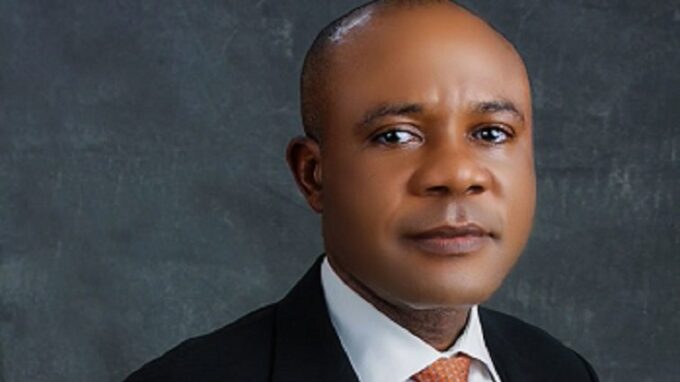
The Honourable Minister noted that the data reinforces confidence among domestic and international investors and signals that Nigeria’s reform programme is gaining traction. The Ministry of Finance remains committed to sustained reform implementation, institutional coordination, and transparent engagement with stakeholders.