




BY NKECHI NAECHE-ESEZOBOR—The Central Bank of Nigeria (CBN) has warned that reckless borrowing, uncontrolled spending and poor fiscal coordination by State Governments could frustrate efforts to curb inflation and stabilise the economy.
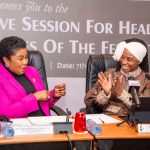
Speaking during a stakeholder engagement organised in collaboration with the Nigerian Governors’ Forum (NGF), the Deputy Governor in charge of the Economic Policy Directorate, Dr. Muhammad Sani Abdullahi, said the success of Nigeria’s planned Inflation Targeting (IT) framework depends heavily on fiscal discipline at both federal and state levels.
He explained that inflation targeting is a transparent and forward-looking monetary policy system designed to keep prices stable, but stressed that the framework can only succeed if State Governments avoid excessive borrowing and spending that injects too much liquidity into the economy.
According to Abdullahi, state fiscal activities such as rising domestic debt, uncontrolled wage bills, heavy reliance on overdrafts, delayed salary payments, unplanned expenditures and weak debt management can all fuel inflationary pressures.
“In an inflation-targeting regime, persistent, unpredictable or expansionary fiscal behaviour at the subnational level can significantly undermine price stability,” he warned.
The Deputy Governor noted that one of the key conditions for successful inflation targeting is the absence of fiscal dominance, a situation where government borrowing forces the central bank to finance deficits by creating excess money supply.
He therefore urged State Governments to adopt more responsible fiscal practices by reducing dependence on short-term financing, aligning borrowing with debt sustainability limits, improving budget planning and strengthening internally generated revenue.
Abdullahi further identified four major responsibilities for states under the inflation-targeting system: maintaining fiscal discipline, ensuring responsible borrowing, improving cash and debt management coordination, and boosting revenue mobilisation.
He cautioned that excessive supplementary budgets, rising debt burdens and uncontrolled spending could trigger liquidity shocks capable of worsening inflation across the country.
Also speaking at the event, the Director of the CBN Monetary Policy Department, Dr. Victor Oboh, described inflation targeting as a “win-win framework” that would help households, businesses and governments by reducing uncertainty and strengthening confidence in economic policies.
Oboh said inflation control cannot be achieved through monetary policy alone, especially in a federal structure like Nigeria’s where state-level spending and borrowing decisions significantly affect liquidity and inflation trends.
Representatives from more than 20 states, including Commissioners of Finance, Economic Planning officials, Accountant Generals and State Statisticians, attended the engagement and pledged support for the CBN’s reform agenda and transition to inflation targeting.